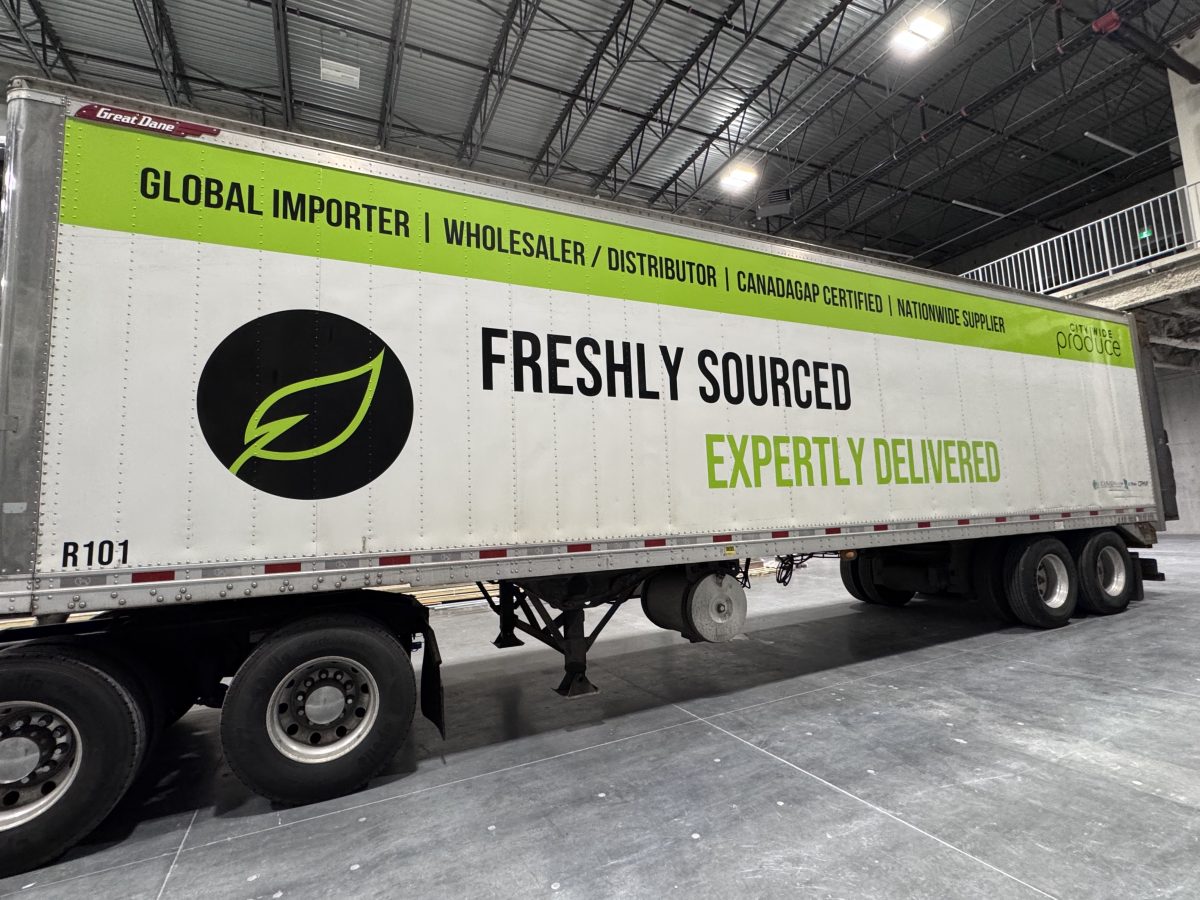
Vehicle wraps have become one of the most effective forms of mobile advertising for local businesses that want consistent visibility, strong branding, and long-term marketing ROI. When planning a vehicle branding strategy, one of the most important decisions is choosing between a full wrap and a partial wrap.
Both options can significantly improve brand recognition and lead generation, but they differ in cost, coverage, design flexibility, and overall impact. Understanding these differences is essential for selecting the right solution for your business goals and budget.
What Is a Full Vehicle Wrap?
A full vehicle wrap covers the entire exterior surface of a vehicle with printed vinyl graphics. This includes doors, hood, roof, bumpers, and rear panels, effectively transforming the vehicle into a fully branded mobile advertisement.
Key Characteristics of Full Wraps
Complete Surface Coverage
Every visible exterior panel is wrapped, leaving minimal or no original paint exposed.
Maximum Design Freedom
Designers can use the entire vehicle as a creative canvas, incorporating bold visuals, gradients, photography, and detailed branding elements.
High Visual Impact
Full wraps are highly noticeable in traffic and parking environments due to their complete transformation of the vehicle’s appearance.
What Is a Partial Vehicle Wrap?
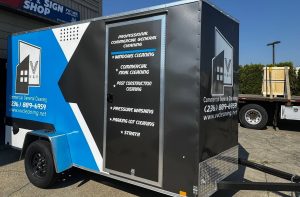
A partial wrap covers only specific sections of a vehicle while leaving other areas exposed. Common coverage areas include doors, rear panels, side sections, or hood accents.
Key Characteristics of Partial Wraps
Selective Coverage Areas
Only high-visibility zones are wrapped, such as side doors or rear windows.
Integration with Original Paint
The design is created to blend with the vehicle’s factory color for a seamless appearance.
Flexible Budget Option
Partial wraps provide branding impact at a lower cost compared to full wraps.
Cost Comparison: Full Wrap vs Partial Wrap
Cost is one of the most important factors when choosing between full and partial wraps.
Full Wrap Investment
Full wraps require more material, labor, and installation time.
Higher Initial Cost
The increased coverage leads to higher production and installation expenses.
Long-Term Value
Despite the higher upfront cost, full wraps often deliver stronger visibility and branding consistency.
Partial Wrap Investment
Partial wraps are more budget-friendly due to reduced material usage.
Lower Upfront Cost
Less vinyl and shorter installation time reduce overall pricing.
Scalable Branding Solution
Businesses can start with partial wraps and upgrade to full wraps later as they grow.
Visual Impact and Brand Visibility
The effectiveness of a wrap depends heavily on how noticeable it is in real-world conditions.
Full Wrap Visibility Advantage
Full wraps provide maximum exposure in all viewing angles.
Strong Brand Recall
A fully branded vehicle is easier for customers to remember because of its complete visual transformation.
Better Performance in High-Traffic Areas
Full wraps stand out in busy streets, job sites, and parking lots.
Partial Wrap Visibility Performance
Partial wraps still offer strong visibility but rely more on design placement.
Strategic Messaging Placement
Important elements like logos and phone numbers must be placed in high-visibility areas.
More Subtle Branding Approach
Partial wraps appear less aggressive, which may be preferred in certain industries.
Design Flexibility and Creative Control
Both wrap types offer design flexibility, but full wraps allow more creative freedom.
Full Wrap Design Capabilities
Complete Visual Storytelling
Designers can create immersive brand experiences using the entire vehicle surface.
Complex Graphics and Effects
Full wraps support detailed imagery, textures, and multi-panel compositions.
Partial Wrap Design Limitations
Focused Design Areas
Design must be optimized for limited space, requiring more precision.
Strong Dependence on Vehicle Color
The base vehicle color plays a role in the final visual outcome.
Durability and Maintenance Considerations
Both wrap types use similar vinyl materials, but coverage can influence maintenance perception.
Full Wrap Durability
Better Paint Protection
Full wraps protect nearly all exterior surfaces from UV exposure and minor scratches.
Uniform Aging
The entire vehicle ages evenly, maintaining a consistent appearance over time.
Partial Wrap Maintenance
Mixed Surface Exposure
Exposed paint areas may fade differently than wrapped sections.
Easier Repairs in Some Cases
Smaller wrapped areas can sometimes be repaired more quickly and cost-effectively.
ROI and Marketing Performance
Return on investment depends on how effectively the wrap generates visibility and leads.
Full Wrap ROI Potential
Higher Impression Value
Full wraps naturally generate more attention due to their complete branding presence.
Stronger Brand Authority
Businesses appear more established when their entire fleet is fully branded.
Partial Wrap ROI Potential
Cost-Efficient Branding Entry Point
Partial wraps allow businesses to start advertising with a lower financial commitment.
Effective for Local Service Calls
When designed properly, partial wraps still generate strong lead flow in local markets.
Which Businesses Should Choose Full Wraps?
Full wraps are ideal for businesses that prioritize maximum visibility and brand dominance.
Best Use Cases
Service-Based Businesses
Plumbers, electricians, HVAC companies, and contractors benefit from strong mobile branding.
Delivery and Logistics Companies
High-frequency vehicle use increases exposure, making full wraps highly effective.
Established Brands
Companies with existing market presence often use full wraps to reinforce authority.
Which Businesses Should Choose Partial Wraps?
Partial wraps are best suited for businesses seeking balanced branding and budget efficiency.
Best Use Cases
Startups and Small Businesses
Partial wraps provide professional branding without high upfront costs.
Multi-Vehicle Fleets on a Budget
Companies with large fleets may use partial wraps to maintain consistent branding affordably.
Minimalist Branding Strategies
Some businesses prefer subtle branding that integrates with vehicle aesthetics.
Scalability: Growing from Partial to Full Wraps
Many businesses begin with partial wraps and transition to full wraps over time.
Gradual Branding Expansion
Phase 1: Partial Wrap Deployment
Establish basic brand presence on key vehicles.
Phase 2: Fleet Standardization
Upgrade selected vehicles to full wraps for stronger visibility.
Phase 3: Full Fleet Branding
Create a consistent, high-impact brand identity across all vehicles.
Common Mistakes to Avoid
Choosing between full and partial wraps requires careful planning to avoid branding inefficiencies.
Design Overcrowding in Partial Wraps
Too Much Information
Adding excessive text reduces readability and weakens impact.
Underutilizing Full Wrap Potential
Weak Design Execution
A poorly designed full wrap can waste the opportunity for maximum visibility.
Ignoring Brand Consistency
Inconsistent Fleet Appearance
Mixing styles without strategy can weaken brand recognition.
Final Comparison Summary
Both full and partial wraps serve important roles in vehicle branding strategies.
Full Wrap Advantages
- Maximum visibility
- Strong brand authority
- Full design control
- Higher advertising impact
Partial Wrap Advantages
- Lower cost
- Flexible branding option
- Faster production
- Suitable for budget-conscious businesses
The right choice depends on your marketing goals, budget, and long-term branding strategy. Businesses seeking maximum exposure typically benefit more from full wraps, while those prioritizing cost efficiency often start with partial wraps and scale over time.
Full wraps and partial wraps are both powerful marketing tools, but they serve different strategic purposes. Full wraps deliver maximum visibility and brand impact, making them ideal for companies focused on strong market presence. Partial wraps offer a more affordable entry point while still providing professional branding and local exposure.
For most local businesses, the decision is not simply about cost but about long-term branding strategy. Choosing the right wrap type ensures that every vehicle on the road becomes an effective marketing asset.