
Print materials remain one of the most effective and tangible marketing tools for small businesses, even in a digital-first world. High-quality printed assets help build credibility, reinforce branding, and support customer acquisition across both retail and service industries. From business cards to banners and promotional flyers, the choice of print materials directly affects how your brand is perceived in the market.
Selecting the right materials is not only about aesthetics but also about durability, cost-efficiency, and intended use. This guide breaks down the best print materials small businesses should consider and how each one contributes to marketing success.
Why Print Materials Still Matter for Small Businesses
Despite the growth of digital marketing, physical print materials continue to deliver strong ROI in local business environments.
Tangible Brand Experience
Printed materials create a physical connection with customers.
Key advantages:
- Leaves a lasting impression
- Enhances brand credibility
- Supports face-to-face marketing efforts
- Works without digital dependency
Local Marketing Effectiveness
Print marketing performs especially well for geographically focused businesses.
Examples:
- Trade shows
- Local events
- Storefront promotions
- Direct mail campaigns
Business Cards (Essential Branding Tool)
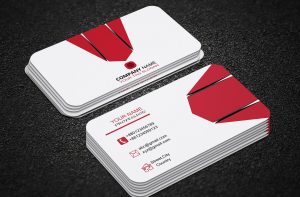
Business cards remain the foundation of professional print marketing.
Why Business Cards Matter
They serve as a direct, portable representation of your brand identity.
Key functions:
- Share contact information quickly
- Reinforce brand professionalism
- Create networking opportunities
Best Materials for Business Cards
- 1. Premium Cardstock -Thick paper stock provides a professional feel and durability.
- 2. Matte Finish -Reduces glare and offers a modern, clean look.
- 3. Gloss Finish- Enhances color vibrancy and visual impact.
- 4. Soft-Touch Lamination- Creates a luxury, velvety texture that improves perceived value.
Flyers and Brochures (High-Impact Marketing Tools)
Flyers and brochures are ideal for sharing detailed information about products and services.
Why They Work
- Direct communication -Allows businesses to explain offers clearly.
- Cost-effective distribution – Easy to print in bulk for local campaigns.
Best Materials for Flyers
- Lightweight coated paper – Ideal for mass distribution and affordability.
- Gloss-coated paper – Enhances visuals for promotions and retail advertising.
- Folded brochure stock – Best for detailed service breakdowns and storytelling.
Posters (Visual Advertising for High Visibility)
Posters are designed for attention and are commonly used in storefronts and events.
Why Posters Are Effective
- High visibility – Large format naturally draws attention.
- Strong promotional impact – Ideal for limited-time offers and announcements.
Best Poster Materials
- Gloss paper posters – Bright and vibrant for indoor use.
- Matte posters – Reduces glare in well-lit environments.
- Vinyl posters – More durable for semi-outdoor use.
Vinyl Prints (Durable and Versatile Material)
Vinyl is one of the most widely used materials in modern print and signage applications.
Applications of Vinyl Printing
Common uses:
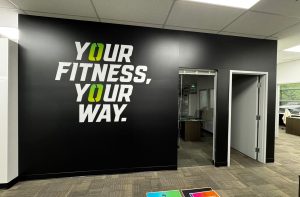
- Window graphics
- Wall decals
- Vehicle decals
- Promotional signage
Benefits of Vinyl Materials
- Weather resistance – Suitable for both indoor and outdoor use.
- Long-lasting durability – Can withstand sun, rain, and temperature changes.
- High customization – Supports full-color printing and die-cut designs.
Coroplast Signs (Best for Temporary Outdoor Advertising)
Coroplast is a lightweight corrugated plastic material used for temporary signage.
Why Coroplast Works Well
- Cost-effective – Ideal for short-term promotions and events.
- Weather-resistant – Suitable for outdoor exposure.
- Easy installation – Can be mounted on stakes or frames.
Common Uses
- Real estate signs
- Event signage
- Yard signs
- Construction site branding
Foam Board Signs (Best for Indoor Displays)
Foam board is a lightweight rigid material used for indoor presentations and displays.
Benefits
- Smooth print surface – Produces high-quality image reproduction.
- Lightweight structure – Easy to transport and install.
Limitations
- Not suitable for outdoor environments
- Can be easily damaged by moisture
A-Frame Signs (Portable Street Advertising)
A-frame signs, also known as sandwich boards, are used for sidewalk advertising.
Why Businesses Use A-Frames
- High street visibility – Placed directly in pedestrian traffic zones.
- Easy to update – Interchangeable inserts or chalkboard options.
Best Materials
- Plastic frames – Weather-resistant and lightweight.
- Metal frames – More durable for long-term outdoor use.
- Chalkboard surfaces – Ideal for daily promotions and menus.
Banner Materials (Large-Scale Marketing Impact)
Banners are one of the most flexible and cost-effective print advertising tools.
Types of Banner Materials
- Vinyl banners – Most common option for outdoor durability.
- Mesh banners – Allow wind to pass through, ideal for large outdoor installations.
- Fabric banners – Used for indoor events and premium presentations.
Benefits of Banners
- High visibility – Ideal for large spaces and events.
- Reusable – Can be rolled and stored for future use.
Stickers and Labels (Branding and Packaging Essentials)
Stickers and labels are small but powerful branding tools.
Applications
- Product packaging – Enhances brand recognition on products.
- Promotional giveaways – Useful for customer engagement.
Best Materials
- Vinyl stickers – Waterproof and long-lasting.
- Paper labels – Cost-effective for indoor use.
- Die-cut stickers – Custom shapes for stronger branding appeal.
Presentation Folders (Professional Sales Tool)
Presentation folders help organize documents while reinforcing branding.
Why They Matter
- Professional appearance – Improves credibility during meetings.
- Organized communication – Keeps documents structured and presentable.
Best Materials
- Heavy cardstock – Provides durability and premium feel.
- Soft-touch coating – Enhances tactile experience and perceived quality.
Choosing the Right Print Material for Your Business
Selecting the right material depends on usage environment, budget, and branding goals.
Key Considerations
- Indoor vs outdoor use – Outdoor materials must be weather-resistant like vinyl or coroplast.
- Short-term vs long-term use – Temporary promotions require lightweight materials; long-term branding needs durable options.
- Brand positioning – Premium brands should invest in high-quality finishes and materials.
Common Mistakes in Print Material Selection
Avoiding these mistakes ensures better marketing performance and ROI.
Using Low-Quality Materials
- Problem: Cheap materials reduce brand perception and durability.
Ignoring Intended Use Environment
- Problem: Indoor materials used outdoors often fail quickly.
Overloading Design Elements
- Problem: Too much information reduces readability and impact.
Print materials remain a foundational part of small business marketing. When selected strategically, they enhance brand visibility, support customer engagement, and reinforce professional credibility across all touchpoints.
From business cards to banners and vinyl graphics, each print material serves a specific purpose in building a strong, consistent brand presence. Businesses that invest in high-quality print materials position themselves more effectively in competitive local markets and create lasting impressions that support long-term growth.