
Choosing the right illuminated storefront signage is a critical decision for any business that relies on visibility, foot traffic, and local brand recognition. Two of the most common and effective options are channel letter signs and lightbox signs. Both are widely used across retail stores, restaurants, plazas, and commercial buildings, but they differ significantly in structure, appearance, cost, and branding impact.
Understanding the strengths and limitations of each option helps businesses select signage that aligns with their budget, location, and long-term marketing goals.
What Are Channel Letter Signs?
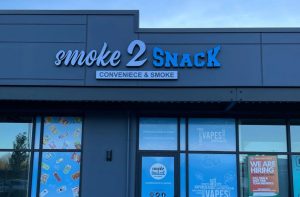
Channel letter signs are three-dimensional, individually fabricated letters typically made from aluminum and acrylic. Each letter is mounted separately on a building facade or raceway and is often internally illuminated using LED lighting.
How Channel Letters Are Built
Individual Letter Construction
Each character in the business name is created as a separate “channel” structure.
LED Illumination System
Energy-efficient LEDs are installed inside each letter to provide bright, even lighting.
Mounting Options
Letters can be:
- Individually mounted to the wall
- Installed on a raceway (a hidden support structure)
Types of Channel Letters
Front-Lit Channel Letters
These are the most common type, where light shines through the acrylic face of each letter.
Key Benefit
High brightness and strong daytime and nighttime visibility.
Halo-Lit (Reverse) Channel Letters
Light projects backward onto the wall, creating a glowing “halo” effect around each letter.
Key Benefit
Premium, upscale aesthetic often used for luxury brands and professional offices.
Combination-Lit Channel Letters
These combine front illumination and halo lighting for maximum visual impact.
What Are Lightbox Signs?
Lightbox signs, also called cabinet signs, are single-panel illuminated sign boxes that display graphics on a flat surface.
How Lightbox Signs Work
Internal Illumination
LED lights are installed inside a sealed cabinet.
Printed Face Panel
Acrylic or polycarbonate face displays printed branding, logos, or text.
Single Enclosure Design
Unlike channel letters, the entire message is contained in one sign structure.
Channel Letters vs Lightbox Signs: Key Differences
Understanding the differences between these two signage types is essential for choosing the right fit.
1. Visual Appearance and Branding Impact
Channel Letters
Channel letters provide a premium, dimensional look that enhances brand perception.
Advantages:
- 3D depth creates stronger visual appeal
- Individual letters stand out clearly
- Highly customizable design options
- Strong brand identity reinforcement
Perception Impact:
Businesses appear more established and modern.
Lightbox Signs
Lightbox signs offer a flat, uniform appearance with consistent illumination.
Advantages:
- Clean and simple design
- Easy to read from a distance
- Works well for logos and basic text
Perception Impact:
Functional and professional but less premium than channel letters.
2. Visibility and Readability
Channel Letters
Channel letters offer excellent visibility, especially at night.
Strengths:
- High contrast lettering
- Strong readability at distance
- Distinct separation of characters improves clarity
Lightbox Signs
Lightboxes provide consistent visibility across the entire panel.
Strengths:
- Uniform lighting across surface
- Easy recognition of logos and symbols
- Effective for simple designs
3. Cost Comparison
Channel Letters
Channel letters are typically more expensive due to custom fabrication.
Cost Factors:
- Individual letter manufacturing
- Complex installation
- Higher design customization
Overall:
Higher upfront investment but strong long-term branding value.
Lightbox Signs
Lightbox signs are generally more budget-friendly.
Cost Factors:
- Single cabinet structure
- Faster production
- Simpler installation
Overall:
Lower cost but less dimensional impact.
4. Durability and Maintenance
Channel Letters
Channel letters are highly durable when properly installed.
Benefits:
- Individual letter replacement possible
- Weather-resistant materials
- Long lifespan with LED systems
Maintenance:
Occasional LED or wiring repairs may be required.
Lightbox Signs
Lightbox signs are also durable but operate as a single unit.
Benefits:
- Enclosed system protects internal components
- Easy face replacement for rebranding
Maintenance:
If damage occurs, larger sections may need repair or replacement.
5. Customization Options
Channel Letters
Channel letters offer extensive customization.
Options Include:
- Font styles
- Letter depth
- Color combinations
- Lighting effects (front-lit, halo-lit)
- Trim caps and finishes
Lightbox Signs
Lightbox customization is more limited but still effective.
Options Include:
- Printed graphics
- Logo placement
- Shape variations (square, rectangular, custom cutouts)
- Background colors and translucency
6. Installation Differences
Channel Letters
Installation Complexity:
Higher due to multiple individual components.
Requirements:
- Precise alignment
- Electrical wiring for each letter
- Structural mounting system
Lightbox Signs
Installation Complexity:
Simpler and faster than channel letters.
Requirements:
- Single mounting point
- Electrical connection for internal lighting
7. Ideal Business Types
Best Uses for Channel Letters
Channel letters are ideal for businesses that want strong brand positioning.
Common Industries:
- Retail stores
- Restaurants and cafés
- Gyms and fitness centers
- Corporate offices
- Franchise locations
Best Uses for Lightbox Signs
Lightbox signs are ideal for cost-effective, clear branding.
Common Industries:
- Small retail shops
- Service businesses in plazas
- Budget-conscious startups
- Multi-tenant commercial buildings
8. Performance in Different Locations
High-Traffic Roads
Best Option:
Channel letters due to higher visual separation and depth.
Shopping Plazas
Best Option:
Lightbox signs due to standardized formats and shared signage rules.
Downtown Pedestrian Areas
Best Option:
Either can work, but channel letters often stand out more effectively.
9. ROI and Marketing Value
Channel Letters ROI
Channel letters offer strong long-term branding value.
Benefits:
- Higher perceived business value
- Stronger customer recall
- Premium positioning in market
Lightbox ROI
Lightbox signs provide practical visibility at lower cost.
Benefits:
- Affordable entry into illuminated signage
- Effective for basic brand awareness
- Good for short- to mid-term use cases
10. Which One Should You Choose?
The right choice depends on business goals, budget, and branding strategy.
Choose Channel Letters If:
You want:
- Premium brand image
- Strong visibility and impact
- Long-term signage investment
- Custom, high-end design
Choose Lightbox Signs If:
You want:
- Lower upfront cost
- Simple and clear branding
- Standard storefront visibility
- Fast installation
Channel letters and lightbox signs both serve important roles in storefront branding, but they are designed for different priorities. Channel letters are the preferred choice for businesses focused on strong branding, premium appearance, and long-term visibility, while lightbox signs are better suited for businesses seeking cost-effective illumination and straightforward messaging.
In many cases, businesses evolve from lightbox signage to channel letters as their brand grows and their visibility needs increase.